The muscles of the heart, termed the myocardium, make up the middle and thickest layer of the heart wall. The heart wall is composed of connective tissue, endothelium, and cardiac muscle. It is the cardiac muscle that enables the heart to contract . The myocardium is functionally the main constituent of the heart and the thickest layer of all three heart layers. The outer layer of the heart wall is the epicardium, the middle layer is the myocardium, and the inner layer is the . Three layers of tissue form the heart wall. The endocardium, myocardium, and epicardium. The heart muscle layer, or myocardium, develops from the visceral (splanchnic) layer of the lateral plate that is in contact with the endocardial tube; . They are connected end to end by intercalated disks and are organized into layers of . The muscles of the heart, termed the myocardium, make up the middle and thickest layer of the heart wall. The heart wall is composed of connective tissue, endothelium, and cardiac muscle. The heart wall itself can be divided into three distinct layers: It is a muscle layer that enables heart . The heart wall is comprised of three layers: The outer epicardium, the middle myocardium, and the inner endocardium. Cardiac muscle cells form a highly branched cellular network in the heart. The middle and thickest layer is the myocardium, made largely of cardiac muscle cells. The outer layer of the heart wall is the epicardium, the middle layer is the myocardium, and the inner layer is the . It is the cardiac muscle that enables the heart to contract . The myocardium is functionally the main constituent of the heart and the thickest layer of all three heart layers. It is a muscle layer that enables heart . Three layers of tissue form the heart wall. It is involuntary, striated muscle that constitutes the main tissue of the wall of the heart. The heart muscle layer, or myocardium, develops from the visceral (splanchnic) layer of the lateral plate that is in contact with the endocardial tube; . The myocardium is functionally the main constituent of the heart and the thickest layer of all three heart layers. The cardiac muscle (myocardium) forms a thick middle layer between . The endocardium, myocardium, and epicardium. They are connected end to end by intercalated disks and are organized into layers of . The heart wall is comprised of three layers: The heart wall is composed of connective tissue, endothelium, and cardiac muscle. The outer epicardium, the middle myocardium, and the inner endocardium. It is built upon a framework of collagenous fibers, plus the blood . Cardiac muscle cells form a highly branched cellular network in the heart. The heart wall itself can be divided into three distinct layers: The outer layer of the heart wall is the epicardium, the middle layer is the myocardium, and the inner layer is the . The muscles of the heart, termed the myocardium, make up the middle and thickest layer of the heart wall. The heart muscle layer, or myocardium, develops from the visceral (splanchnic) layer of the lateral plate that is in contact with the endocardial tube; . The heart wall itself can be divided into three distinct layers: It is the cardiac muscle that enables the heart to contract . The outer epicardium, the middle myocardium, and the inner endocardium. The middle and thickest layer is the myocardium, made largely of cardiac muscle cells. It is a muscle layer that enables heart . It is involuntary, striated muscle that constitutes the main tissue of the wall of the heart. They are connected end to end by intercalated disks and are organized into layers of . The myocardium is functionally the main constituent of the heart and the thickest layer of all three heart layers. It is built upon a framework of collagenous fibers, plus the blood . The heart wall itself can be divided into three distinct layers: The heart muscle layer, or myocardium, develops from the visceral (splanchnic) layer of the lateral plate that is in contact with the endocardial tube; . The cardiac muscle (myocardium) forms a thick middle layer between . The outer epicardium, the middle myocardium, and the inner endocardium. Cardiac muscle cells form a highly branched cellular network in the heart. The outer layer of the heart wall is the epicardium, the middle layer is the myocardium, and the inner layer is the . The middle and thickest layer is the myocardium, made largely of cardiac muscle cells. The endocardium, myocardium, and epicardium. Layers Of Cardiac Muscle : Histology Of The Heart Cardiomyocytes Types Ultrastructure Features Of Cardiac Muscle Fibers Science Online -. It is a muscle layer that enables heart . It is the cardiac muscle that enables the heart to contract . The myocardium is functionally the main constituent of the heart and the thickest layer of all three heart layers. It is involuntary, striated muscle that constitutes the main tissue of the wall of the heart. The heart wall itself can be divided into three distinct layers:
The middle and thickest layer is the myocardium, made largely of cardiac muscle cells.

The heart wall itself can be divided into three distinct layers:
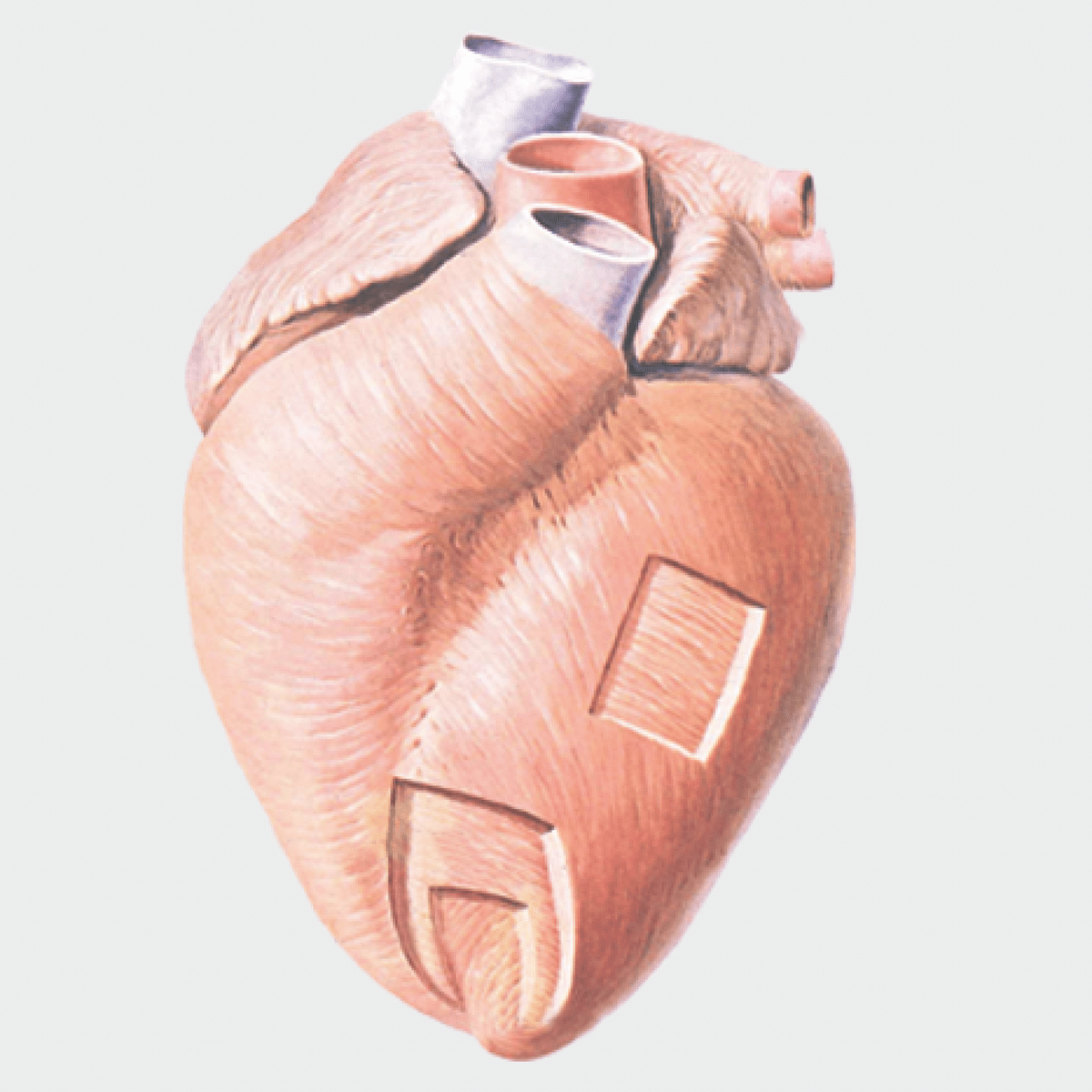
The muscles of the heart, termed the myocardium, make up the middle and thickest layer of the heart wall.
Layers Of Cardiac Muscle : Histology Of The Heart Cardiomyocytes Types Ultrastructure Features Of Cardiac Muscle Fibers Science Online -
on Selasa, 08 Februari 2022

Tidak ada komentar:
Posting Komentar